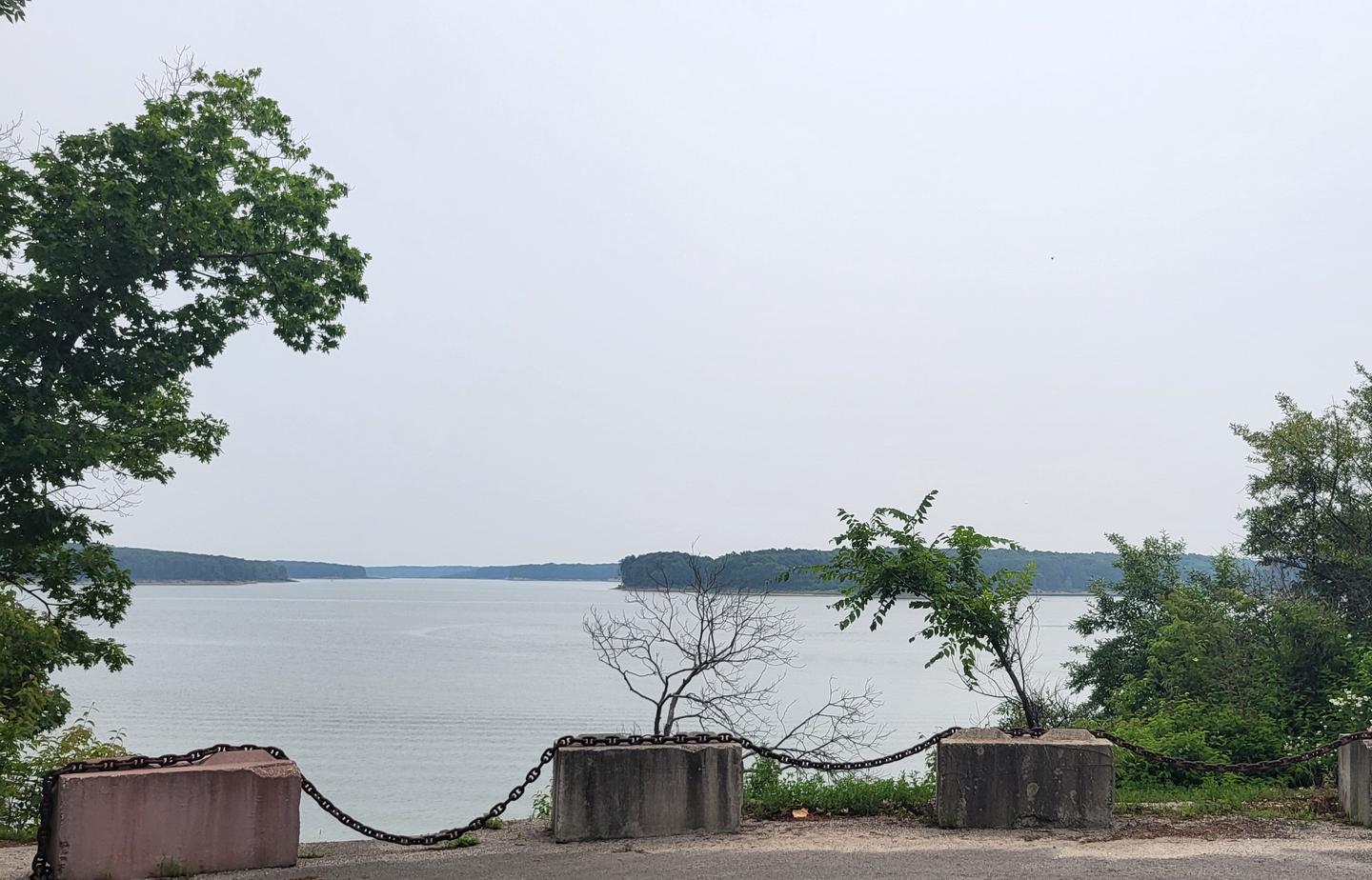
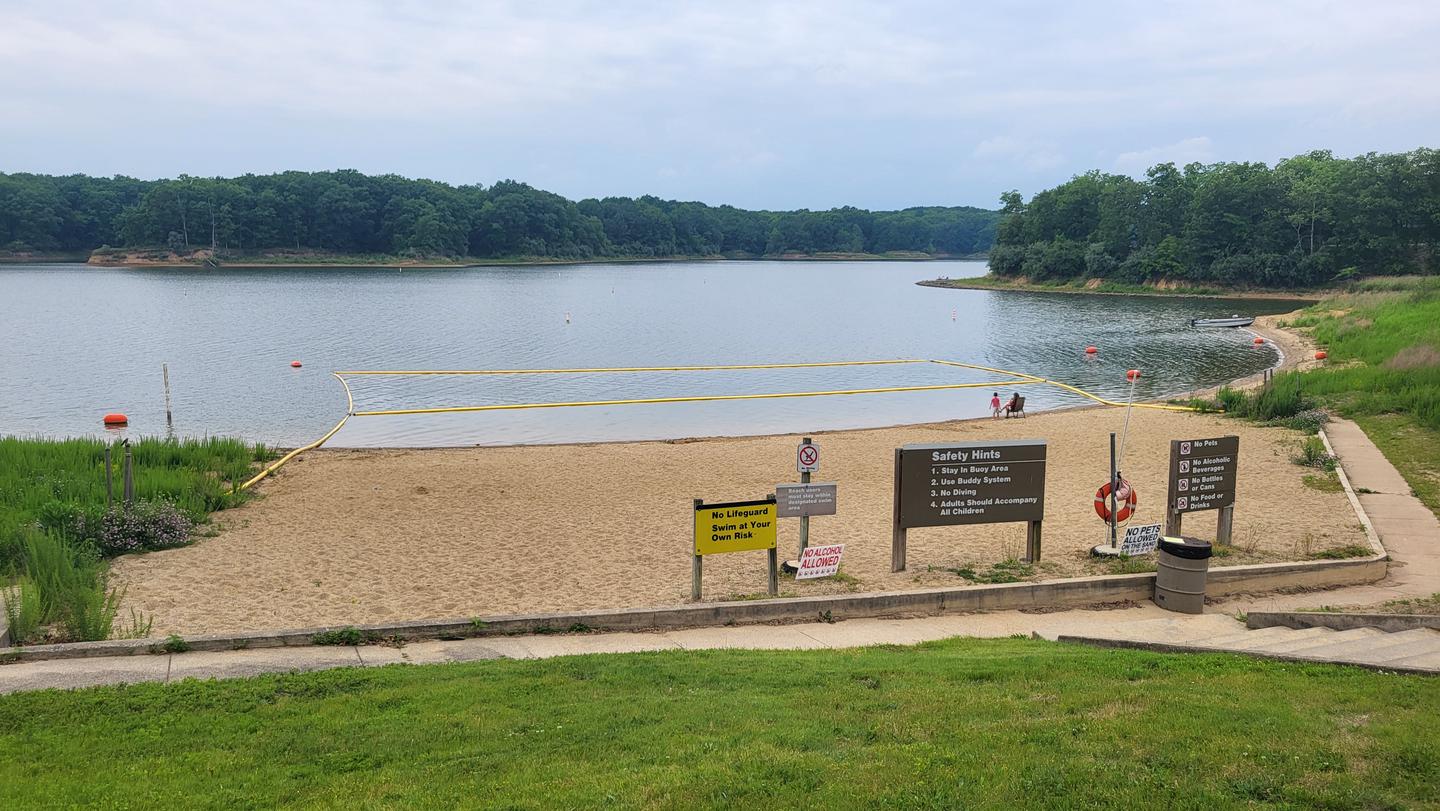
Step back in time at New Salem Campground, your base camp for exploring Lincoln's New Salem State Historic Site. Nestled in peaceful hardwood forest, this central Illinois gem offers a serene escape where you can wake up to birdsong, then walk straight into the 1830s village where a young Abraham Lincoln once lived and worked.
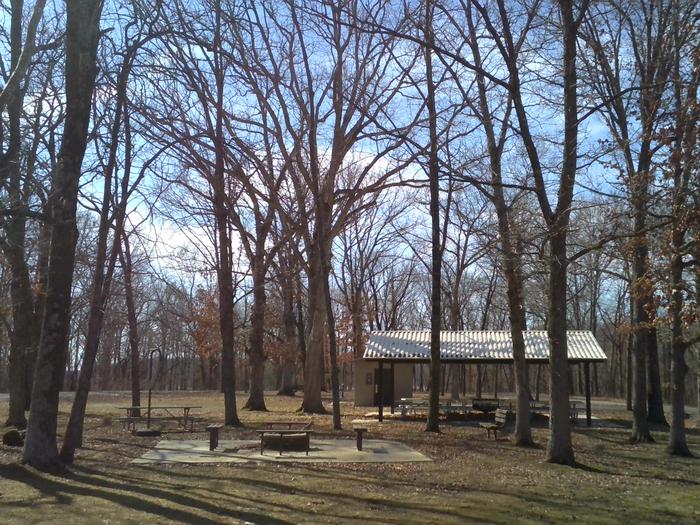
The campground accommodates both tent and RV camping and is small and wooded with sites close to the historic village. Information on primitive, group, or cabin lodging is not documented.
Historical Significance
Adjacent to Lincoln’s New Salem State Historic Site, the campground provides direct access to a reconstructed 1830s village where Abraham Lincoln lived as a young adult, with living‑history demonstrations and interpretive programming when staffed.Weather and SeasonsPlan your visit between spring and fall for the best experience. Spring brings wildflowers and comfortable temperatures, perfect for wandering the historic village without the crowds. Summer turns warm and humid, buzzing with activity as interpreters bring the 1830s settlement to life, though you'll want bug spray for evening campfires. Fall delivers spectacular foliage and crisp air ideal for hiking, while winter sees limited services and freezing temperatures that keep all but the heartiest visitors away.
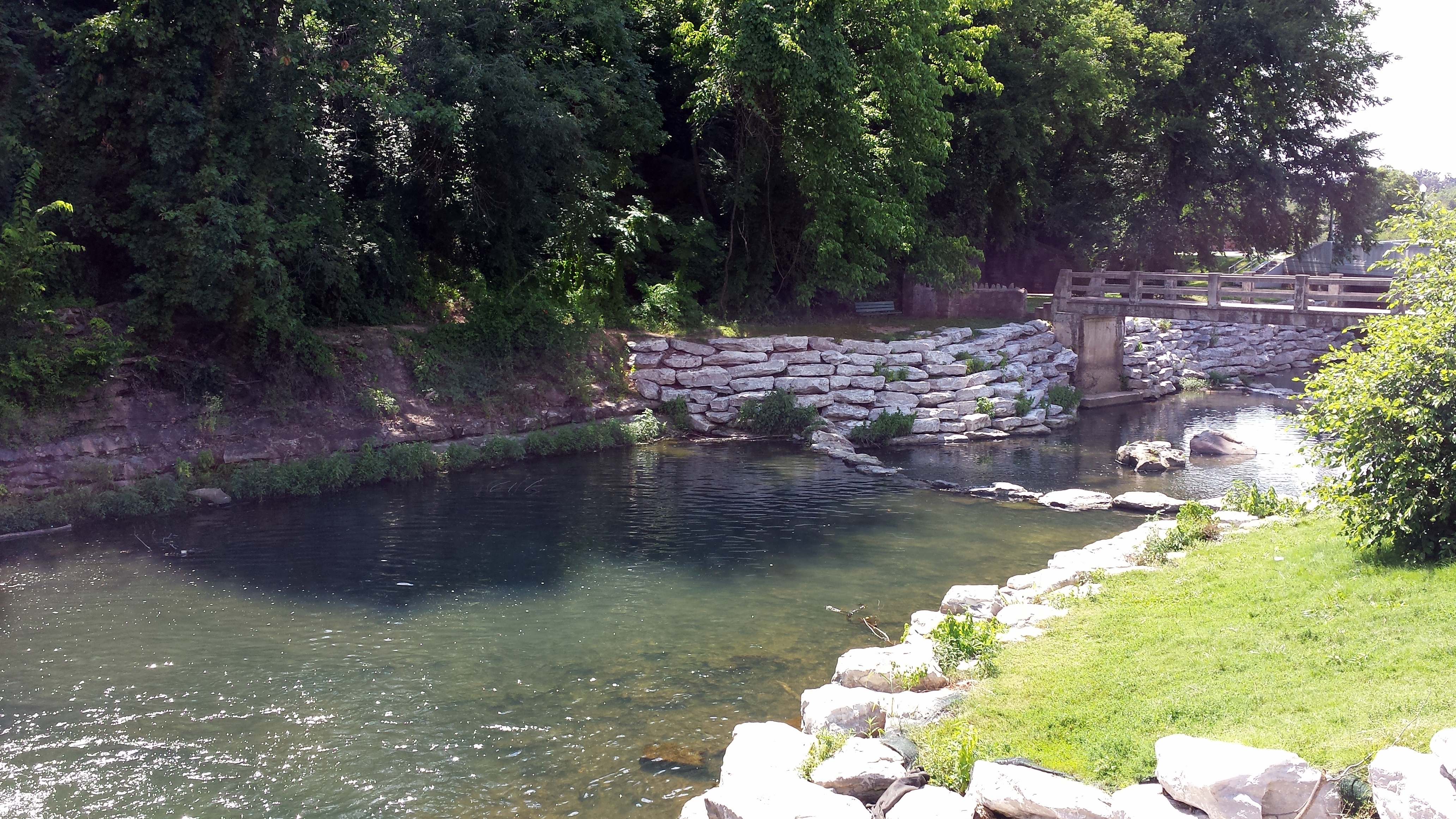
Natural Features and SceneryThe campground sits cradled in mature deciduous forest, where dappled sunlight filters through oak and hickory canopies onto gentle rolling terrain. Open clearings provide breathing room among the trees, while the nearby Sangamon River corridor adds a ribbon of wildlife habitat to explore. This landscape may not boast dramatic vistas, but its quiet woodland character perfectly complements the historic atmosphere—imagine the same forests young Lincoln would have known nearly two centuries ago.
Geological RegionCentral Illinois uplands / Sangamon River valley (rolling terrain, hardwood forest)
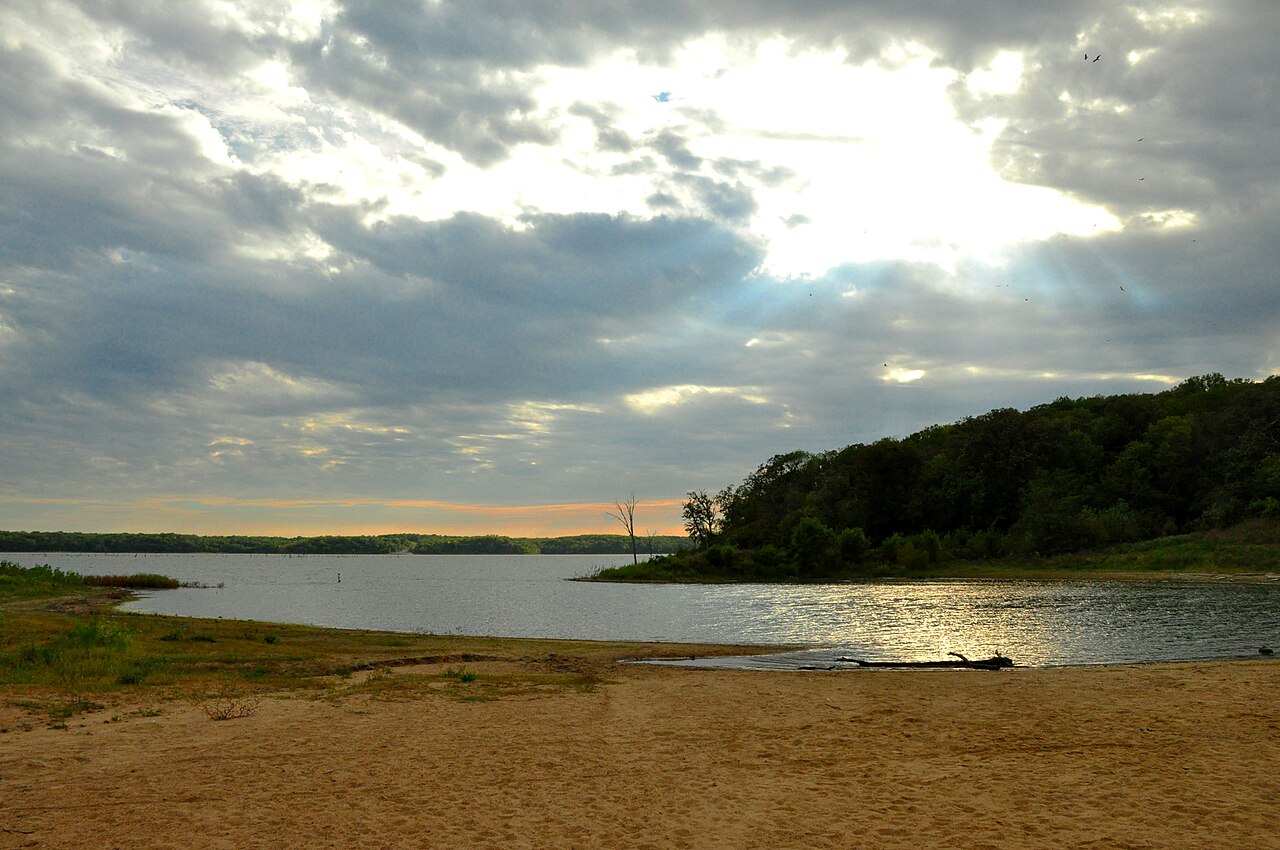
Scenic ViewsPrimary views are of the reconstructed frontier village (log cabins, split‑rail fences, clearings) and the surrounding hardwood forest rather than large lakes or mountains.
 03 reviews