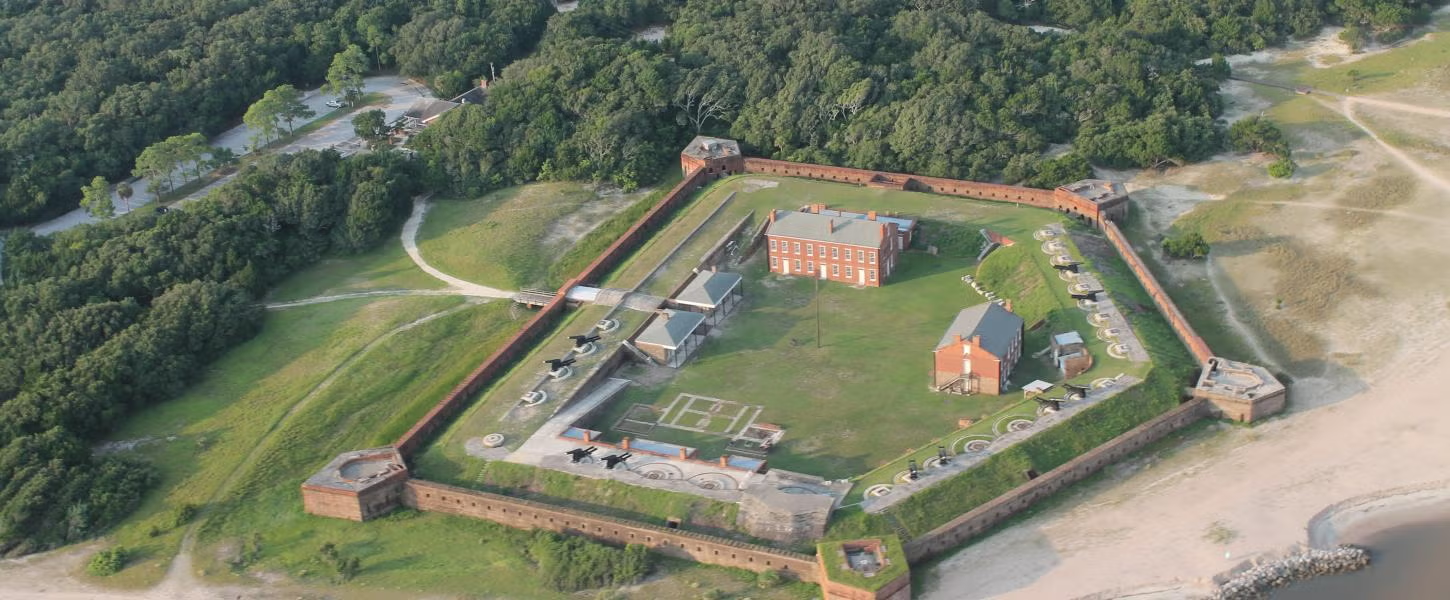
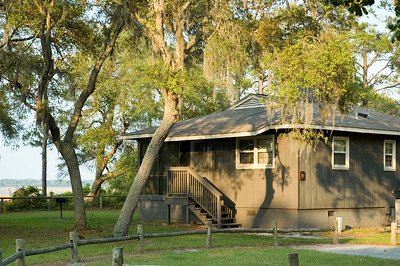
Imagine pitching your tent beneath centuries-old live oaks draped in Spanish moss, where the Amelia River glimmers through the branches and the Atlantic surf is just minutes away. Fort Clinch State Park Campground 3 offers this magical old-Florida experience on Amelia Island, nestled within 1,400 acres of coastal wilderness that includes a beautifully preserved 19th-century fort where history comes alive through costumed interpreters.
The campground includes sites for tents and RVs; sources do not clearly distinguish a specific loop named 'Campground 3' or describe primitive/group/cabin lodging for that loop.
The park contains one of the best‑preserved 19th‑century forts in the U.S.; the site offers living‑history programs and periodic cannon demonstrations interpreting its coastal‑defense history. Weather and SeasonsWhile Fort Clinch welcomes campers year-round, spring and fall are the sweet spots—think comfortable temperatures perfect for hiking to the fort, fewer bugs, and ideal beach days without the summer crowds. Summer brings the warmth that beachgoers crave, though it's also the busiest season, while the off-season rewards visitors with quieter stretches of sand and a more intimate park experience.
Weather data by Open-Meteo.com, licensed under CC BY 4.0, processed by Outdoorithm.
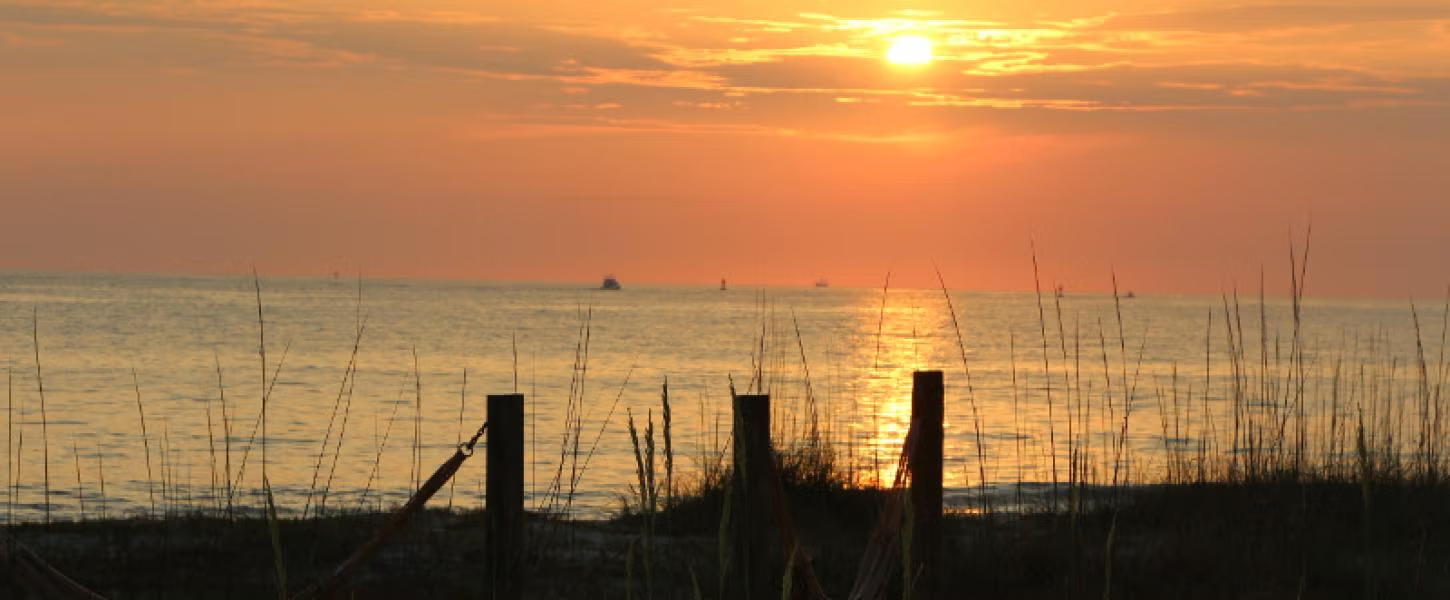
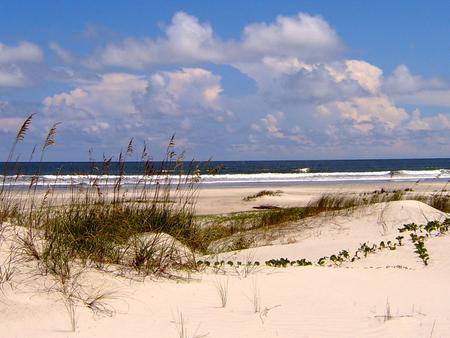
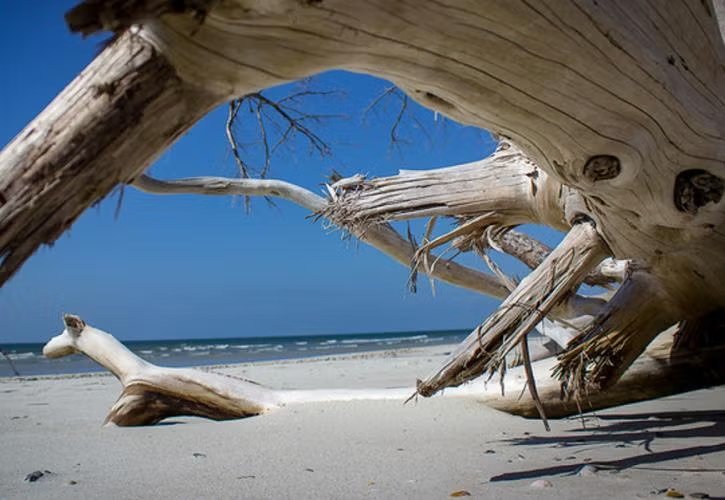
Natural Features and SceneryYour days here unfold amid a tapestry of coastal ecosystems—wander through shaded maritime hammocks where ancient live oaks create cathedral-like canopies, explore salt marshes teeming with wading birds, and feel the soft sand of coastal dunes beneath your feet. The park's dual personality gives you the best of both worlds: serene river and marsh views where dolphins often play, and the endless horizon of the Atlantic just a short walk away. Spanish moss sways in the ocean breeze, creating that quintessential atmospheric old-Florida charm that makes every moment feel like you've stepped back in time.
Geological RegionCoastal barrier island — maritime hammock, salt marshes, and coastal dune systems (Amelia Island)
Scenic ViewsRiver views toward the Amelia/St. Marys River, live oaks draped in Spanish moss, marsh and dune landscapes, and nearby Atlantic Ocean/beach vistas.
 4.58
4.58