Overland Solar Bugout 130

- Best for:
- Vehicle-based camping, overlanding, basecamp and expedition use where durability and weather resistance matter
- Skip it if you want:
- Ultralight backpacking, minimalist hiking or budget-limited setups that need the best watts-per-ounce
Main tradeoff: Lower real-world efficiency/power density compared with top competing panels (≈30% less in some tests)
Seldom heavily discounted; occasional small promotions (e.g. Black Friday) but generally sold near list price
We may earn a commission when you buy through these links, at no cost to you. It never changes what we recommend. As an Amazon associate, Outdoorithm earns from qualifying purchases.
Before you buy
Why it works
- Rugged, weatherproof construction with X-Pac laminated Cordura and reinforced grommetsPublished reviews
- High-quality SunPower Maxion Gen III cells yielding strong midday output (≈7 A into 12 V battery)Published reviews
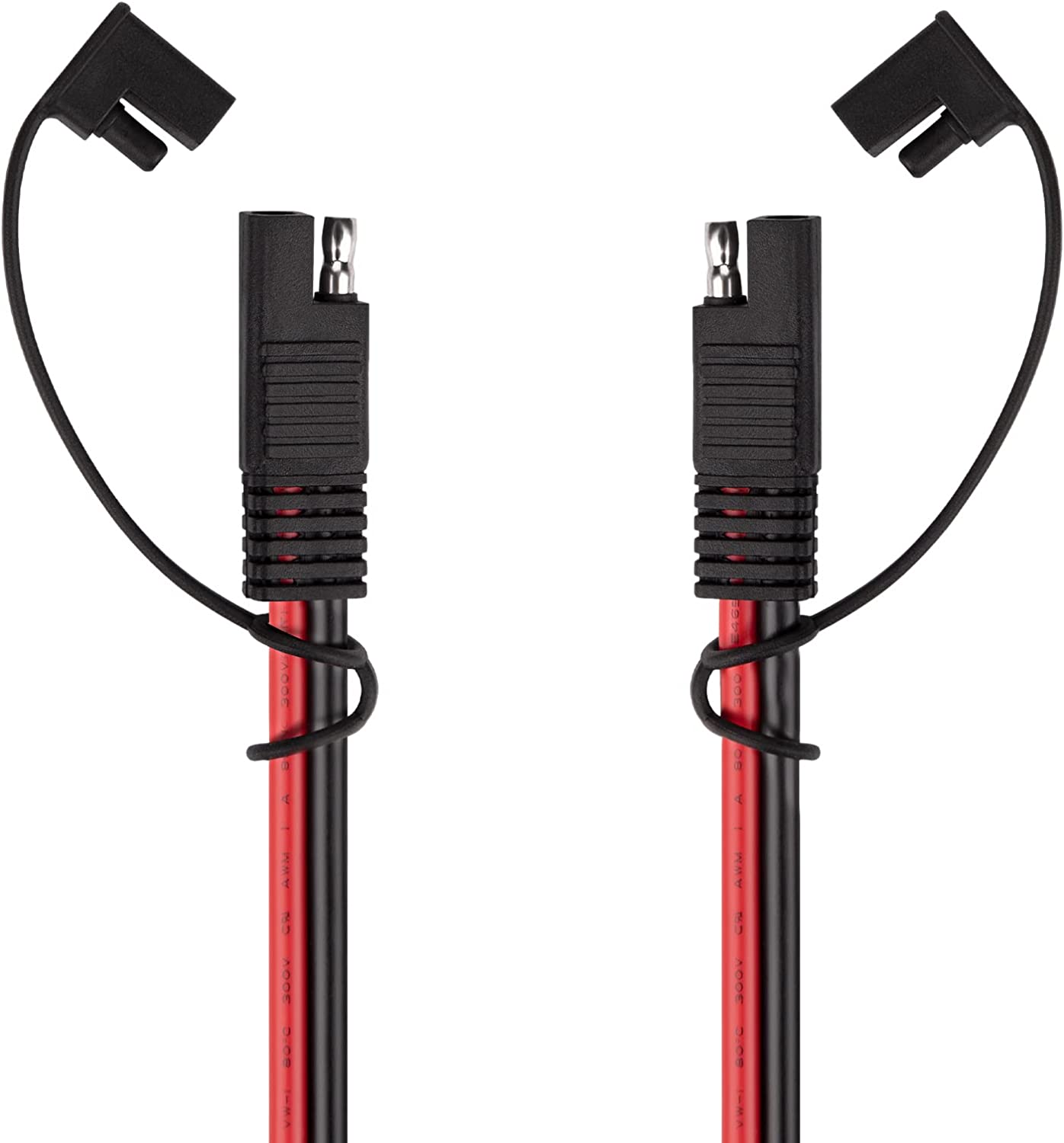
- Folds compactly for a 130 W unit and includes carry case and long adapter cable for easy stowagePublished reviews
- Versatile connection options (Mini Anderson output with SAE/SB50 adapters; optional MPPT and USB-C modules)Published reviews
Tradeoffs
- Lower real-world efficiency/power density compared with top competing panels (≈30% less in some tests)Our experience
- Relatively heavy and large for a portable panel (7.3 lb, unfolded footprint large), impractical for backpackingPublished reviews
- High cost versus generic 100 W alternativesPeakGear
- No built-in kickstand or integrated tilt mechanism; requires straps, props, or external supportsexpeditionportal.com
Pairs well with

Details
About the Overland Solar Bugout 130
This solar panel is well built and durable, providing reliable off-grid power. It is a bit pricey, but its performance and reliability justify the investment. While easy to use and packable to a small footrpint, this panel in our testing is 30% less efficient than other top picks, trading off performance for mobility.
Specifications
- Weight
- 7.3 lb
- Packed size
- 22 x 7.5 x 3.5 inches (folded)
- Packed volume
- 578 cubic in
- Materials
- SunPower Maxion Gen III monocrystalline cells; X-Pac laminated sailcloth (1050D Cordura) backing; reinforced sewn seams
- Changes from the last model
- Mark V (current) is lighter and uses higher-efficiency cells; iterative weight and cell upgrades vs prior V3/V4
Questions (1)
- Is it worth the price over cheaper alternatives?
- For vehicle-based or expedition users who prioritize durability, weather resistance, and integrated battery connectivity, the Bugout 130 justifies the premium; casual users or ultralight hikers will likely get better value from cheaper, lighter panels.
Fit and sizing
true to size
Care and warranty
Care
- store dry and flat
- wipe cells clean of dust/bird droppings
- dry thoroughly before packing after wet use
- inspect grommets and Velcro periodically
What tends to wear out
- moisture ingress risk at junction box if submerged or exposed to prolonged heavy rain
- connector corrosion over time with saltwater exposure if not rinsed
Durability
- users report strong fabric, stitching and connectors; no widespread failures reported
- expected to last years with routine care
Warranty
2-year limited warranty; few public reports on actual claim experiences
Sources
“a rugged panel capable of withstanding abuse with an excellent closed-form factor”
“well built and durable; performance and reliability justify the investment”
Have you used the Overland Solar Bugout 130?
Tell other campers how it worked for you.
Last updated September 23, 2026